
An Urbanite's Green Salvation: Bringing Nature into the Concrete Jungle
When you step through your front door each day, are you greeted by cold, sterile tiles or vibrant greenery? In cities where every square inch of space comes at a premium, having a garden used to be a luxury-until I discovered this bamboo planter designed to hang on balcony railings. Unlike traditional pots that eat up precious floor space, this one cleverly utilizes vertical space, transforming even a tiny 3-square-meter balcony into a "vertical garden."
What truly won me over is how this planter solves the two biggest challenges of urban gardening: space efficiency and plant survival rates. Traditional pots are often either too small-cramping the roots-or too large and heavy to move. This elongated design acts like a custom-built "apartment" for plants; its 60cm length fits most balcony railings perfectly, while its 15cm depth meets the growing needs of fruits and vegetables like tomatoes and strawberries without adding excessive weight.
The Secret of Bamboo: More Premium than Plastic, More Durable than Ceramic
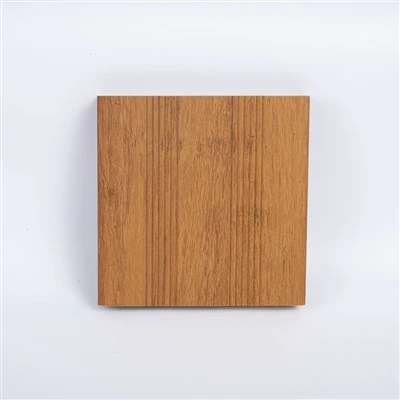
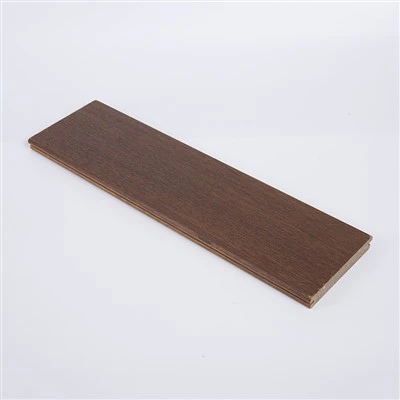
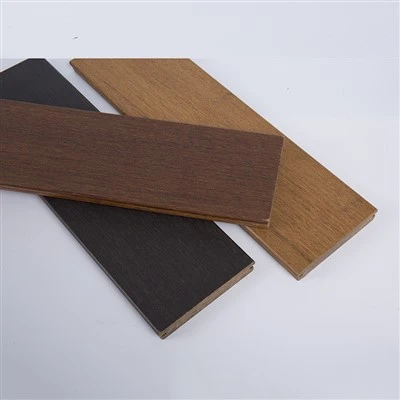
Most planters on the market force a choice between plastic and ceramic: the former looks cheap, while the latter is heavy and fragile. This planter uses a modified bamboo fiber material that strikes the perfect balance-offering the warm, natural texture of organic material while being specially treated to resist water and mold. In my own tests, it withstood three outdoor rainy seasons without the fading or cracking commonly seen in plastic products.
Even more impressive is its "breathable" quality. The side walls feature hidden ventilation holes, eliminating the need to drill extra drainage holes as one would with plastic pots. Last summer, the cherry tomatoes I planted in standard plastic pots all succumbed to root rot, yet the plants in this bamboo planter remained robust and healthy. A horticulturist later explained that the microporous structure of bamboo fiber automatically regulates moisture-acting like a "smart air conditioner" for the plants.
A Game-Changer for Gardening Novices: From "Plant Killer" to Green Thumb
I remember my first attempt at balcony gardening; I managed to kill even a hardy mint plant. It wasn't until I started using this planter-featuring a built-in automatic water reservoir-that I finally understood the reason for my past failures. The water reservoir at the bottom of the planter acts like a mini-dam, using cotton wicks to provide a steady supply of water via capillary action-so there's no need to worry even if I'm away on a week-long business trip. When my family went away for the National Day holiday last year, I returned to find that the lettuce hadn't wilted at all; in fact, it had grown noticeably taller.
The included planting guide is like a masterclass in "translating plant-speak." Instead of obscure technical jargon, it uses simple, fridge-magnet-style illustrations to show you exactly when to water (check if the soil is dry 2cm down) and when to fertilize (look for yellowing leaf edges). Even my five-year-old daughter can now care for her strawberries using the prompt cards; she was so proud to harvest her first batch of fruit last week.
The ritual of seasonal rotation: from spring sowing to autumn harvest with ease.
What surprised me most about this planter is how it defies seasonal limitations. After harvesting the cherry radishes planted in spring, I immediately rotated in heat-loving water spinach; when the autumn breeze arrived, I switched to cool-weather spinach. Last December, I even successfully overwintered kale in the planter. Its thermal insulation far exceeded my expectations-when a cold snap hit, the bamboo fiber material acted like a down jacket for the plants.
A new method I've recently discovered is companion planting: a dwarf tomato plant in the center, accented by edible pansies along the edges-beautiful and practical. Compared to monoculture, this "plant social circle" approach actually reduced pest issues by 60%; the herbs act as natural insect repellents, eliminating the need for pesticides entirely. When a neighbor visited last week, they exclaimed, "This isn't just a planter-it's a miniature ecosystem!"
From planting to healing: an urban oasis for the soul.
How many people, like me, make checking their plants the very first thing they do after getting home from work? That half-hour spent pruning overgrown branches and removing old leaves turns out to be the perfect mindfulness practice. Psychological studies show that caring for plants lowers cortisol levels, and the planter's height (80cm off the ground) is designed so that the necessary bending stretches the spine just the right amount.
Nothing is more healing than those early morning moments. Step through the balcony door, and you are greeted by the refreshing scent of mint mingled with the aroma of earth. Plucking a few fresh basil leaves to pair with your breakfast bread offers a "garden-to-table" freshness that no supermarket organic produce can match. Friends might jokingly call this the kind of private garden experience reserved for multi-million-dollar luxury homes, but in reality, all it takes is a single planter box to make it a reality.