
When it comes to decorating small spaces, choosing the right elements can make all the difference. One option that has been gaining popularity is the woven reed screen. As a supplier of Woven Reed Screen, I've had numerous clients inquire about its suitability for small areas. In this blog, I'll delve into the aspects that make woven reed screens a great addition or perhaps a less - than - ideal choice for small spaces.
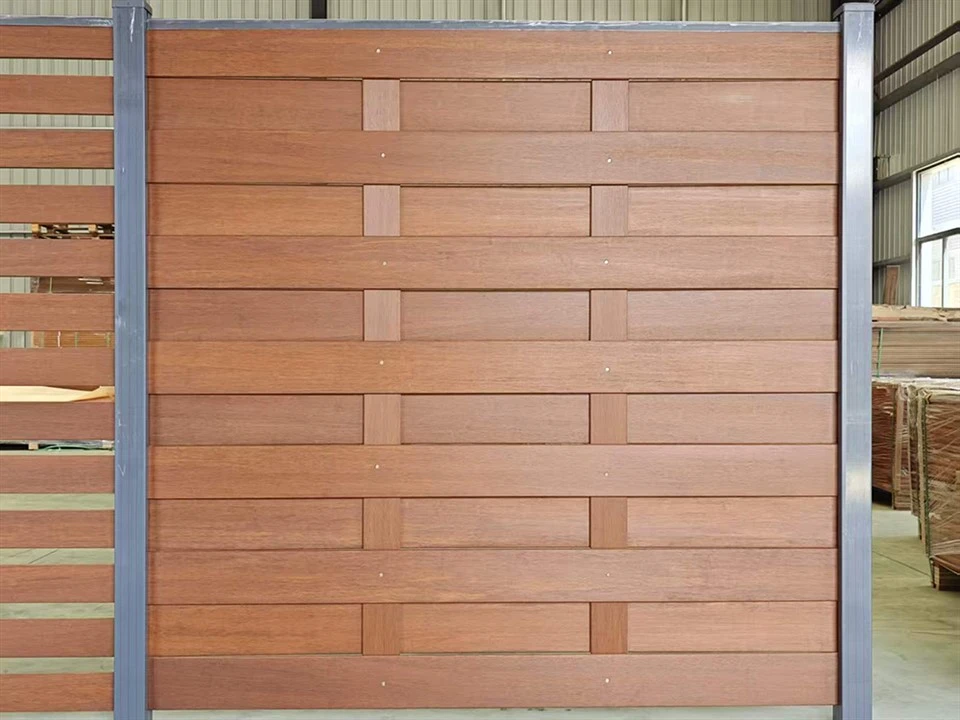
Advantages of Woven Reed Screens in Small Spaces
1. Aesthetic Appeal and Natural Vibe
One of the most significant draws of woven reed screens is their ability to bring a touch of nature indoors or outdoors. The organic texture of reed gives a warm and inviting feel to any area. In small spaces, this natural aesthetic can create a sense of tranquility, making the place feel more like a cozy retreat rather than a cramped corner. The earthy tones of the reed blend well with various color schemes, from minimalist whites to warm earthy browns. Whether it's used in a small urban balcony or a compact living room, the screen adds a layer of visual interest that can make the space feel more dynamic.
2. Space Definition
In small living areas where every square foot counts, it can be challenging to define different functional zones. Woven reed screens serve as an excellent solution for this problem. Unlike solid partitions that can make the area feel blocked and smaller, reed screens offer a semi - transparent barrier. For example, in a studio apartment, you can use a Woven Reed Screen to separate the sleeping area from the living room. The screen allows some light and visual connection between the two areas while still providing a sense of privacy and distinction.
3. Light Manipulation
Small spaces often struggle with adequate lighting. Woven reed screens can play a crucial role in managing light effectively. They filter sunlight, diffusing it and preventing harsh glares. This softening effect not only creates a more comfortable environment but also makes the space appear larger. During the day, the dappled light passing through the reeds adds a beautiful play of shadows on the walls and floors, enhancing the overall ambiance. At night, when paired with artificial lighting, the screen can create a warm and inviting glow.
4. Versatility
Woven reed screens are incredibly versatile. They can be used as wall hangings, room dividers, or even as decorative accents for windows. In a small bathroom, a reed screen can be used as a privacy divider around a bathtub or shower area. It can also be installed on a window to add a touch of privacy while still allowing natural light to filter in. Moreover, these screens can be easily moved and re - arranged according to your changing needs, making them a practical choice for small spaces where flexibility is key.
Potential Limitations for Small Spaces
1. Maintenance Requirements
While woven reed screens are beautiful, they do require some maintenance. Reed is a natural material that can attract dust, dirt, and even pests if not properly cared for. In small spaces, where ventilation might be limited, dust can accumulate more quickly on the screen. Regular cleaning, usually with a soft brush or a vacuum cleaner on a low - suction setting, is necessary to keep the screen looking its best. Additionally, in humid environments, reed is prone to mold growth. Small bathrooms or areas with poor ventilation can be particularly challenging in this regard.
2. Visual Bulking
Although reed screens are semi - transparent in nature, they can still add a certain bulkiness to a small area if not installed correctly. If the screen is too large for the space or is placed in a way that obstructs movement, it can make the area feel cramped. For example, in a narrow hallway, a wide and tall reed screen might make the passage feel even more constricted. It's important to carefully measure the space and choose an appropriately sized screen to avoid this issue.
3. Durability Concerns
The reed material, while having a natural charm, is not as durable as some other synthetic materials. It can be easily damaged by sharp objects or rough handling. In small spaces where there might be more traffic or limited movement, there is a higher risk of accidental damage to the screen. For instance, in a small playroom for children, the screen could be easily scratched or torn.
Comparison with Other Bamboo and Reed Products
1. Rolled Bamboo Fence Panel
Rolled bamboo fence panels are often used for larger outdoor areas, but they can also be adapted for small spaces. Compared to woven reed screens, they are more rigid and provide a more solid barrier. For small gardens or patios, they can be used to create a sense of enclosure. However, they may not offer the same level of light diffusion and natural aesthetic as woven reed screens.
2. Short Bamboo Fencing
Short bamboo fencing is a great option for defining small areas in a garden or creating a low - level boundary. It is more compact than some other bamboo products, making it suitable for small yards. Woven reed screens, on the other hand, can be used both indoors and outdoors and offer more flexibility in terms of placement and use.
3. Bamboo Cane Screening
Bamboo cane screening is made up of whole bamboo canes, which gives it a different look and feel compared to woven reed screens. It is generally more durable and can withstand harsher outdoor conditions. While it can be used in small spaces, the thicker canes might make it seem more imposing. Woven reed screens have a lighter and more delicate appearance.
4. Bamboo Divider Outdoor
Bamboo dividers designed for outdoor use are larger and sturdier. They are mainly used to create separate areas in a garden or on a patio. In small spaces, they can be a bit overwhelming, while woven reed screens can offer a more subtle and adaptable alternative.
Tips for Using Woven Reed Screens in Small Spaces
1. Measure Properly
Before purchasing a Woven Reed Screen, take accurate measurements of the space. Consider the height, width, and the area where you plan to install the screen. Make sure there is enough clearance around the screen for easy movement.
2. Choose the Right Placement
Think about the purpose of the screen and where it will have the most impact. If you want to create a private reading nook in a small living room, place the screen in a corner. For a small balcony, consider installing the screen along the railing to create a sense of seclusion.
3. Combine with Other Decor Elements
To enhance the overall look of the small space, combine the woven reed screen with other natural elements such as potted plants or wooden furniture. This can create a cohesive and harmonious aesthetic.
Contact for Purchase and Discussion
If you are considering using woven reed screens in your small space, I'm here to assist you. Whether you have questions about sizing, installation, or maintenance, I can provide you with the necessary information and guidance. You can reach out to me to discuss your specific requirements and explore the options available. Let's work together to transform your small space with the beauty of woven reed screens.
References
- Designing Small Spaces: Principles and Practices. XYZ Publishing.
- Natural Materials for Interior Design. ABC Books.
- Outdoor Decorating on a Small Scale. DEF Publications.