
Can a bamboo fence be used as a sound barrier?
In the quest for a peaceful and private living or working environment, the search for effective sound barriers is a common pursuit. One option that has gained increasing attention in recent years is the use of bamboo fences. As a bamboo fence supplier, I've been asked numerous times whether bamboo fences can serve as viable sound barriers. In this blog, we'll explore the science behind sound barriers, the properties of bamboo, and evaluate whether bamboo fences can indeed meet the requirements for sound insulation.
Understanding Sound Barriers
Before delving into the potential of bamboo fences as sound barriers, it's essential to understand the basic principles of sound transmission and how sound barriers work. Sound is a form of energy that travels through the air in waves. When these waves encounter an object, they can be reflected, absorbed, or transmitted through the object.
A good sound barrier is designed to reduce the transmission of sound waves from one side to the other. This is typically achieved through a combination of reflection and absorption. Materials that are dense and heavy are generally better at reflecting sound waves, while materials with porous or fibrous structures are more effective at absorbing sound energy.
The effectiveness of a sound barrier is measured by its Sound Transmission Class (STC) rating. The STC rating is a numerical value that indicates how well a material or structure can block sound. A higher STC rating means better sound insulation. For example, a wall with an STC rating of 50 will block more sound than a wall with an STC rating of 30.
The Properties of Bamboo
Bamboo is a fast - growing and renewable resource that has been used in construction and various applications for centuries. It is known for its strength, flexibility, and natural beauty. When it comes to its potential as a sound barrier, several properties of bamboo are worth considering.
First, bamboo has a relatively high density compared to some other plant - based materials. This density allows it to reflect a certain amount of sound waves. However, it's not as dense as traditional building materials like concrete or brick, which are well - known for their sound - blocking capabilities.
Second, bamboo has a fibrous structure. The fibers in bamboo can help absorb sound energy to some extent. When sound waves hit the bamboo, the fibers vibrate and convert the sound energy into heat energy, reducing the amount of sound that is transmitted through the material.
Evaluating Bamboo Fences as Sound Barriers
Now, let's evaluate whether bamboo fences can be used as sound barriers. The effectiveness of a bamboo fence as a sound barrier will depend on several factors.
1. Type of Bamboo Fence
There are different types of bamboo fences available on the market, each with its own characteristics. For example, Heavy Duty Bamboo Fencing is typically thicker and more densely packed than other types of bamboo fences. This density can contribute to better sound reflection and absorption. On the other hand, Short Bamboo Fencing may be less effective in blocking sound due to its shorter height and potentially lower density.
2. Installation Method
The way a bamboo fence is installed can also affect its sound - blocking performance. A properly installed bamboo fence that is tightly secured and has minimal gaps between the bamboo slats or panels will be more effective at blocking sound than a poorly installed fence with large gaps. For instance, Black Bamboo Fence Panels should be installed in a way that they form a continuous barrier to prevent sound from leaking through.
3. Location and Noise Source
The location of the bamboo fence and the type of noise source also play a role. If the fence is placed close to a high - intensity noise source, such as a busy highway, it may not be sufficient to completely eliminate the noise. However, in a residential setting with lower - level noise, like the sound of neighbors or birdsong, a bamboo fence can provide some level of sound insulation.
Advantages of Using Bamboo Fences as Sound Barriers
Even if bamboo fences may not have the same high STC ratings as some traditional building materials, they offer several advantages when used as sound barriers.
1. Aesthetics
Bamboo fences add a natural and rustic charm to any environment. They are visually appealing and can blend in well with the surrounding landscape. Unlike some concrete or metal sound barriers that may look harsh and out of place, a bamboo fence can enhance the beauty of a property while providing some sound insulation.
2. Sustainability
As mentioned earlier, bamboo is a renewable resource. It grows much faster than traditional timber, making it a more sustainable choice for construction. Using bamboo fences as sound barriers is an eco - friendly option that can help reduce the environmental impact.
3. Cost - Effectiveness
Bamboo fences are generally more affordable than some other types of sound barriers, such as concrete walls or double - glazed windows. This makes them a cost - effective solution for homeowners or businesses looking to reduce noise without breaking the bank.
4. Ease of Installation
Bamboo fences are relatively easy to install compared to more complex sound - proofing structures. They can be installed by homeowners or contractors with basic DIY skills, saving time and labor costs.
Limitations of Bamboo Fences as Sound Barriers
Despite their advantages, bamboo fences also have some limitations when it comes to serving as sound barriers.
1. Limited Sound Reduction
Compared to heavy - duty sound - proofing materials like concrete or specialized acoustic panels, bamboo fences can only provide a moderate level of sound reduction. They may not be suitable for environments with extremely high noise levels, such as industrial areas.
2. Durability
Bamboo is a natural material and may be susceptible to damage from weather conditions, pests, and rot over time. If not properly maintained, the integrity of the bamboo fence can be compromised, which will also affect its sound - blocking performance.
Conclusion
So, can a bamboo fence be used as a sound barrier? The answer is yes, to a certain extent. Bamboo fences can provide some level of sound insulation, especially in low - to moderate - noise environments. They offer several advantages, including aesthetics, sustainability, cost - effectiveness, and ease of installation. However, they also have limitations in terms of the amount of sound they can block and their long - term durability.
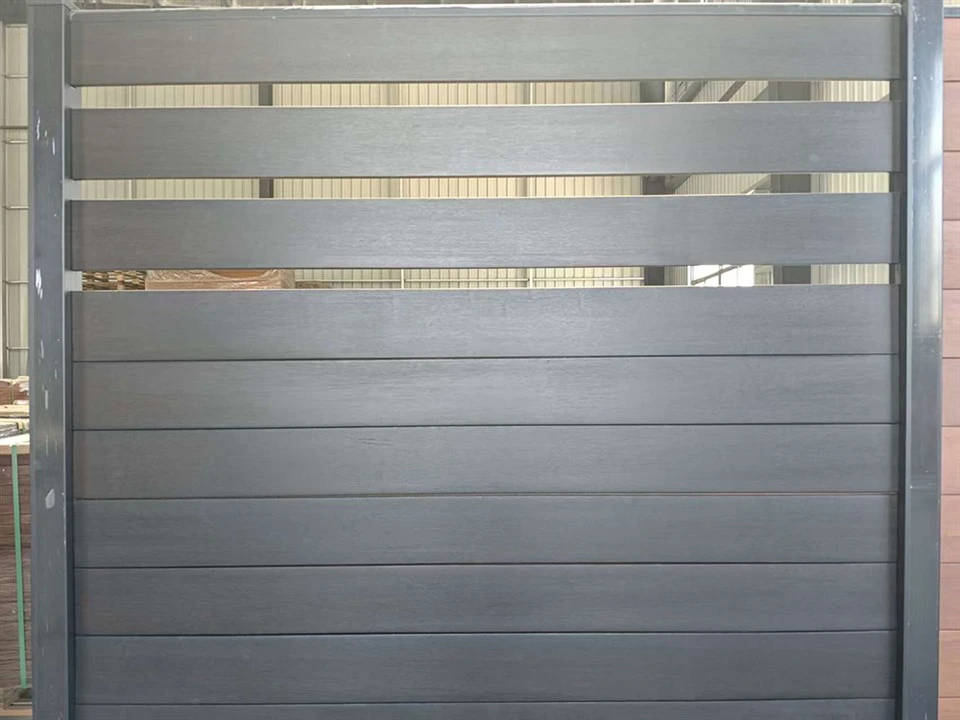
If you're considering using a bamboo fence as a sound barrier, it's important to choose the right type of fence, install it correctly, and maintain it properly. We offer a variety of bamboo fence options, including Solid Bamboo Screening and Dark Bamboo Screening, that can meet different needs.
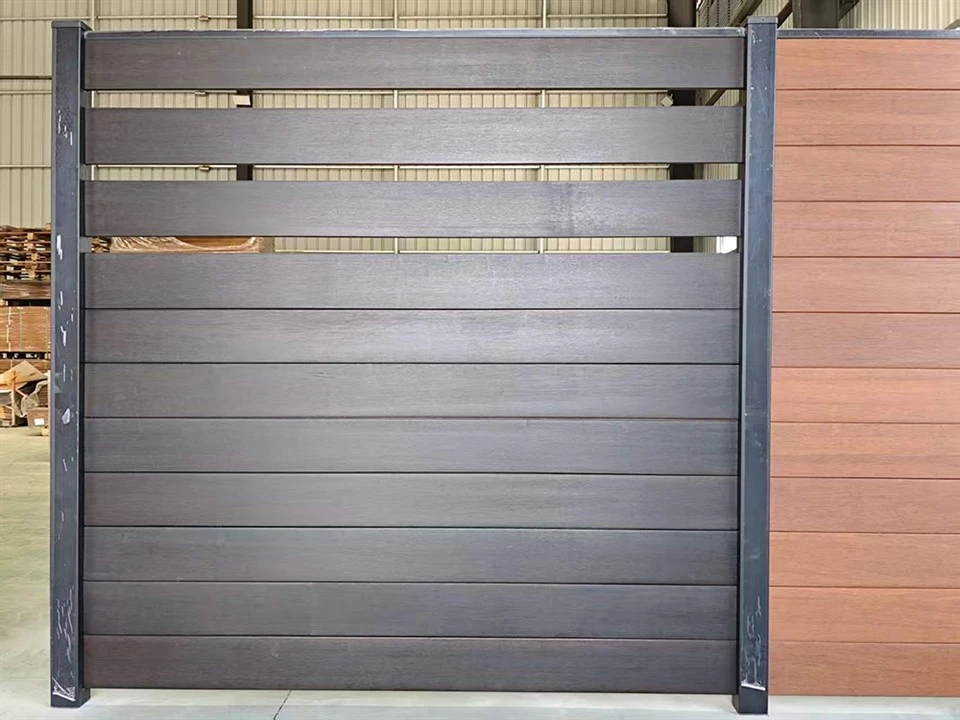
Whether you're looking to create a peaceful backyard oasis or reduce noise in a commercial space, our bamboo fences may be the solution you're looking for. If you have any questions or are interested in purchasing our bamboo fences, please feel free to contact us to discuss your specific requirements. We're here to help you find the perfect bamboo fence for your sound - insulation needs.
References
- Beranek, Leo L. Noise and Vibration Control. McGraw - Hill, 1971.
- Kryter, Karl D. The Handbook of Hearing and the Effects of Noise: Physiology, Psychology, and Public Health. Academic Press, 1994.