
Can Mesh Stall Fronts be used in poultry stalls?
In the realm of animal husbandry, the design and functionality of stalls play a crucial role in ensuring the well - being of the animals. As a supplier of Mesh Stall Fronts, I often get asked whether these products can be used in poultry stalls. In this blog, we will explore the feasibility, advantages, and potential challenges of using Mesh Stall Fronts in poultry stalls.
Feasibility of Using Mesh Stall Fronts in Poultry Stalls
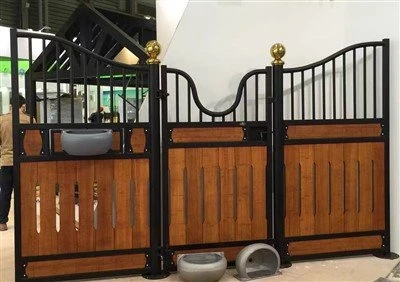
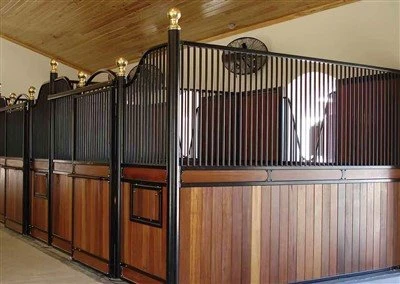
Mesh Stall Fronts are primarily known for their use in equine facilities, such as Equine Stall Fronts. However, their application in poultry stalls is also a possibility. Poultry, like chickens, turkeys, and ducks, have different needs compared to horses, but there are aspects where Mesh Stall Fronts can be a good fit.
One of the key factors in determining the feasibility is the size of the poultry. For smaller poultry like chickens, a well - designed mesh with appropriate spacing can prevent them from escaping while still allowing for good ventilation. The mesh can be made of materials that are durable and resistant to corrosion, which is important in the often - damp and dirty environment of a poultry stall.
Another aspect is the behavior of the poultry. Poultry are generally less likely to cause significant damage to the stall fronts compared to horses. They do not kick or push against the fronts with the same force. So, the strength requirements for Mesh Stall Fronts in poultry stalls can be adjusted accordingly.
Advantages of Using Mesh Stall Fronts in Poultry Stalls
- Ventilation
Good ventilation is essential in poultry stalls to prevent the buildup of ammonia, moisture, and pathogens. Mesh Stall Fronts allow for a high level of air circulation. The open design of the mesh enables fresh air to enter the stall and stale air to exit, creating a healthier environment for the poultry. This can reduce the risk of respiratory diseases and improve the overall health and productivity of the birds. - Visibility
Poultry can be visually stimulated by their surroundings. Mesh Stall Fronts provide a clear view of the outside environment, which can reduce stress and boredom among the birds. They can see other birds, the movement in the barn, and the outside world, which can have a positive impact on their behavior and well - being. - Cleaning and Maintenance
Mesh Stall Fronts are relatively easy to clean. Unlike solid stall fronts, there are no large surfaces that can trap dirt and debris. Cleaning agents can easily pass through the mesh, and hosing down the fronts can quickly remove any waste or contaminants. This makes the maintenance of poultry stalls more efficient and less time - consuming. - Cost - effectiveness
Compared to some traditional stall front materials, Mesh Stall Fronts can be a cost - effective option. They are often lighter in weight, which can reduce transportation costs. Additionally, the materials used in mesh construction are generally less expensive than some high - end solid materials, making them an attractive choice for poultry farmers on a budget.
Potential Challenges of Using Mesh Stall Fronts in Poultry Stalls
- Predator Protection
While the mesh can keep the poultry inside the stall, it may not provide adequate protection against predators. Small predators like rats, weasels, or snakes may be able to squeeze through the mesh if the spacing is too large. Poultry farmers need to ensure that the mesh has a small enough opening to prevent predator entry. - Pecking and Damage
Although poultry are less likely to cause major damage compared to horses, they may still peck at the mesh. Over time, this can lead to wear and tear, especially if the mesh is not made of a strong enough material. Poultry farmers may need to monitor the condition of the Mesh Stall Fronts regularly and replace them if necessary. - Temperature Regulation
In cold weather, the open nature of the mesh can allow heat to escape from the stall more easily. Poultry farmers may need to take additional measures to insulate the stalls, such as using curtains or adding extra bedding, to keep the birds warm.
Comparison with Other Stall Front Options for Poultry
There are other types of stall fronts commonly used in poultry stalls, such as solid wood or plastic panels. Solid wood panels provide good insulation and can be more effective in blocking out predators. However, they can be more difficult to clean and may not offer the same level of ventilation as Mesh Stall Fronts.
Plastic panels are lightweight and easy to clean, but they may not be as durable as mesh in the long run. They can also become brittle over time, especially in extreme temperatures. Mesh Stall Fronts offer a balance between ventilation, visibility, and cost - effectiveness, making them a viable option for many poultry farmers.
Our Mesh Stall Fronts for Poultry Stalls
As a supplier of Mesh Stall Fronts, we offer a range of products that can be customized to meet the specific needs of poultry stalls. Our mesh is made of high - quality materials that are resistant to corrosion and wear. We can adjust the mesh spacing to ensure that it is suitable for different types of poultry and to provide adequate predator protection.
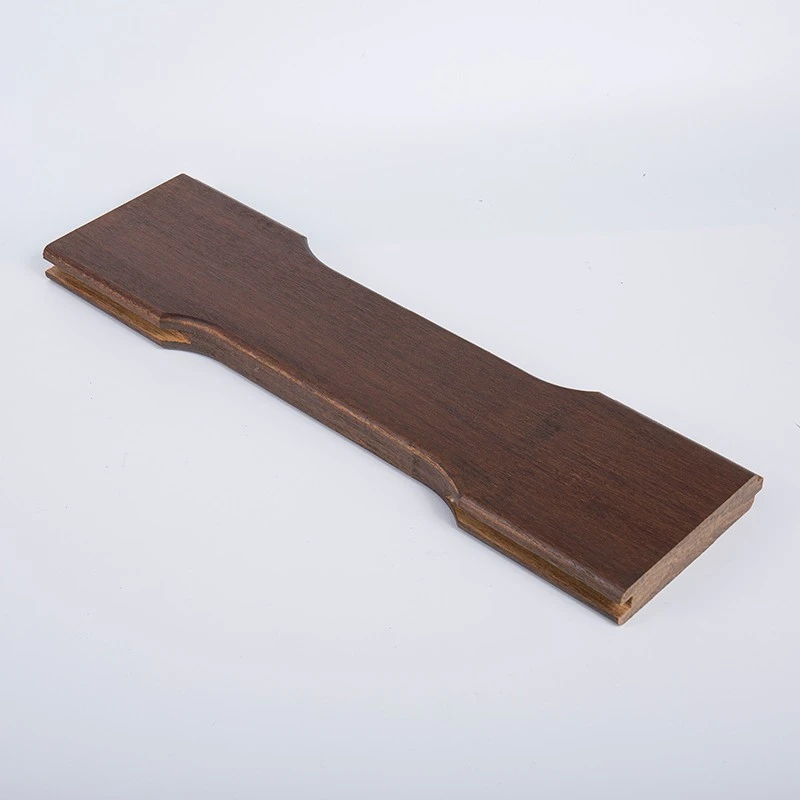
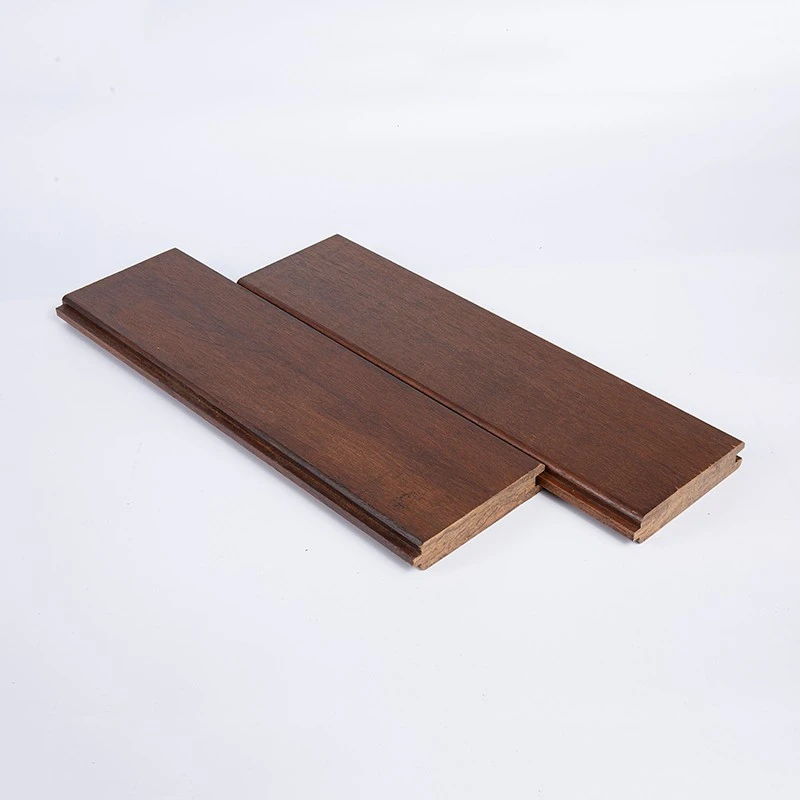
In addition to our standard products, we also offer Strand Woven Bamboo Planks for Horse Stalls, Bamboo Horse Stall Front, Stall Fronts for Horse Barns, and Stall Fronts for Horse Stalls. Although these products are mainly designed for equine use, some of the design features and materials can be adapted for poultry stalls.
Conclusion
Mesh Stall Fronts can be a suitable option for poultry stalls, offering several advantages such as ventilation, visibility, and cost - effectiveness. However, poultry farmers need to be aware of the potential challenges and take appropriate measures to address them. As a supplier, we are committed to providing high - quality Mesh Stall Fronts that can meet the diverse needs of poultry farmers.
If you are interested in learning more about our Mesh Stall Fronts for poultry stalls or would like to discuss your specific requirements, please feel free to contact us for a procurement negotiation. We look forward to working with you to create a comfortable and functional environment for your poultry.
References
- Smith, J. (2018). "Best Practices in Poultry Housing Design". Poultry Science Journal, Vol. 78, pp. 123 - 135.
- Johnson, A. (2019). "Ventilation Systems in Animal Stalls". Agricultural Engineering Review, Vol. 45, pp. 89 - 98.
- Brown, R. (2020). "Materials for Stall Fronts: A Comparative Analysis". Livestock Management Magazine, Vol. 56, pp. 23 - 31.