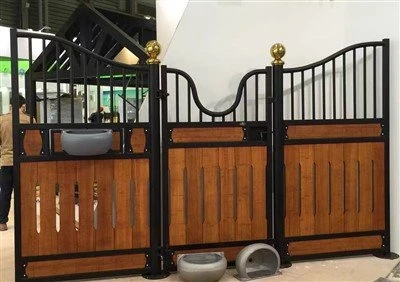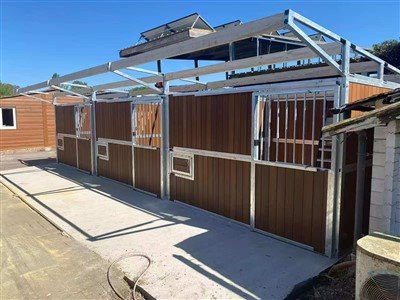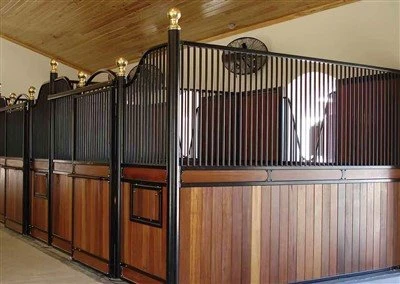

Heavy duty bamboo fencing is a versatile and eco - friendly option for various outdoor and indoor settings. As a heavy duty bamboo fencing supplier, I understand the importance of making this type of fencing blend seamlessly with its surroundings. In this blog, I will share some practical tips and strategies to achieve this harmonious integration.
Understanding the Surroundings
Before installing heavy duty bamboo fencing, it's crucial to thoroughly understand the context in which it will be placed. This involves considering both the natural and man - made elements of the area.
Natural Elements
- Climate and Environment: Different climates have an impact on how the bamboo fencing will age and perform. In a hot and dry climate, the bamboo might dry out more quickly, while in a humid environment, it could be at risk of mold or mildew. If you're in a coastal area, the salt in the air can also affect the bamboo. For instance, in a tropical climate with regular rainfall and high humidity, you can choose a more treated and resilient heavy duty bamboo fencing. Research shows that bamboo species like Guadua angustifolia are more resistant to environmental stressors and can withstand harsh tropical conditions better than other types.
- Surrounding Vegetation: The existing plants in the area play a significant role in how the fencing blends. If you have a garden full of lush, green plants, a natural - colored heavy duty bamboo fencing will complement the foliage beautifully. On the other hand, if you have a more arid landscape with cacti and succulents, a bleached or weathered - looking bamboo fencing might be a better fit. You can also plant climbing plants around the fencing, such as ivy or jasmine, to make it look more integrated with the natural environment.
Man - Made Elements
- Architectural Style: The style of the nearby buildings and structures should guide your choice of bamboo fencing. For a traditional or rustic - style home, a more natural and rough - looking bamboo fencing, like Bamboo Cane Fencing, would be appropriate. In contrast, for a modern or minimalist building, a sleek and uniform bamboo fencing can enhance the overall aesthetic. For example, if your house has clean lines and large glass windows, a smooth - surfaced bamboo panel fence can create a contemporary look.
- Color Scheme: Take note of the colors of the surrounding walls, roofs, and other structures. You can either match the bamboo fencing to the existing color palette or choose a complementary color. If the buildings in your area have a lot of earthy tones, a natural - colored bamboo fence will blend right in. However, if you want to add a pop of color, you could choose a stained or painted bamboo fence in a contrasting but complementary color, like a deep green against a beige - colored wall.
Choosing the Right Type of Bamboo Fencing
As a heavy duty bamboo fencing supplier, I offer a wide range of products, each suitable for different settings and purposes.
Bamboo Roll Out Fencing
Bamboo Roll Out Fencing is a great option for large areas or for creating a quick and easy boundary. It is flexible and can be easily installed around curves or irregular shapes. This type of fencing is ideal for gardens, patios, or as a temporary partition. Its natural look makes it blend well with most outdoor settings, especially when combined with some ground cover plants at the base to create a more organic appearance.
Bamboo Cane Fencing
The Bamboo Cane Fencing is made up of individual bamboo canes tied together. It has a more rustic and traditional look, which is perfect for rural or cottage - style settings. The uneven texture and natural variations in the canes give it a unique charm. You can use it to enclose a vegetable garden or as a decorative element around a porch.
Bamboo Cane Screening
Bamboo Cane Screening is often used for privacy and to block unsightly views. It can be installed on balconies, decks, or along the edges of a property. The vertical arrangement of the bamboo canes creates an interesting visual effect and can be paired with flowering plants or shrubs to soften its appearance and make it blend better into the surroundings.
Short Bamboo Fencing
Short Bamboo Fencing is suitable for defining small areas, such as flower beds or walkways. It adds a decorative touch without overpowering the space. With its low height, it allows for visibility while still providing a sense of separation. It pairs well with small - scale plants like groundcovers or dwarf shrubs.
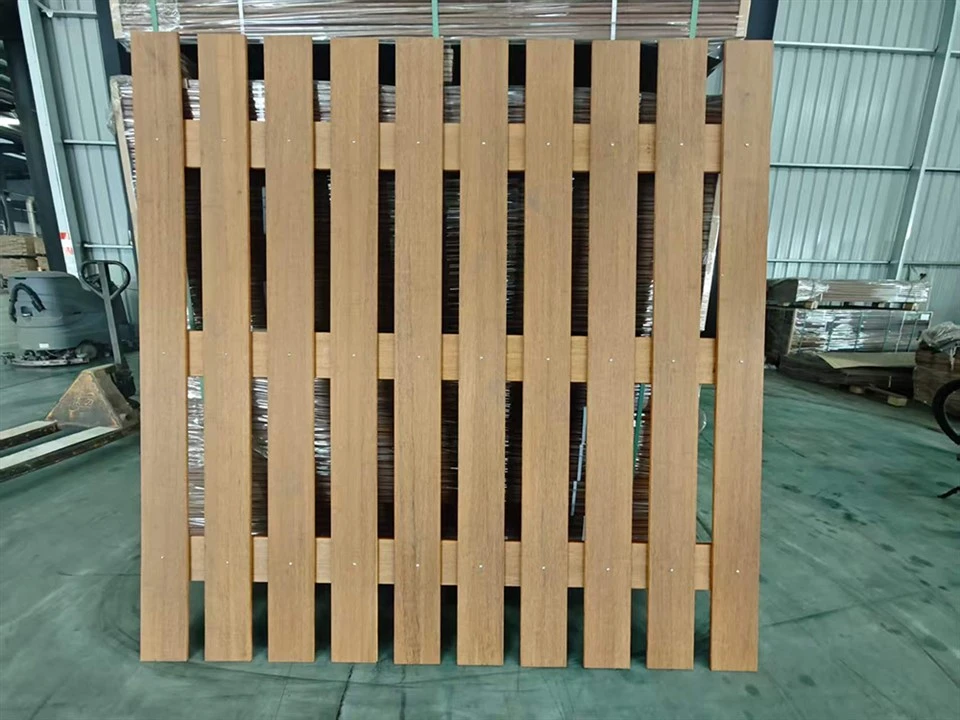
Large Bamboo Screening
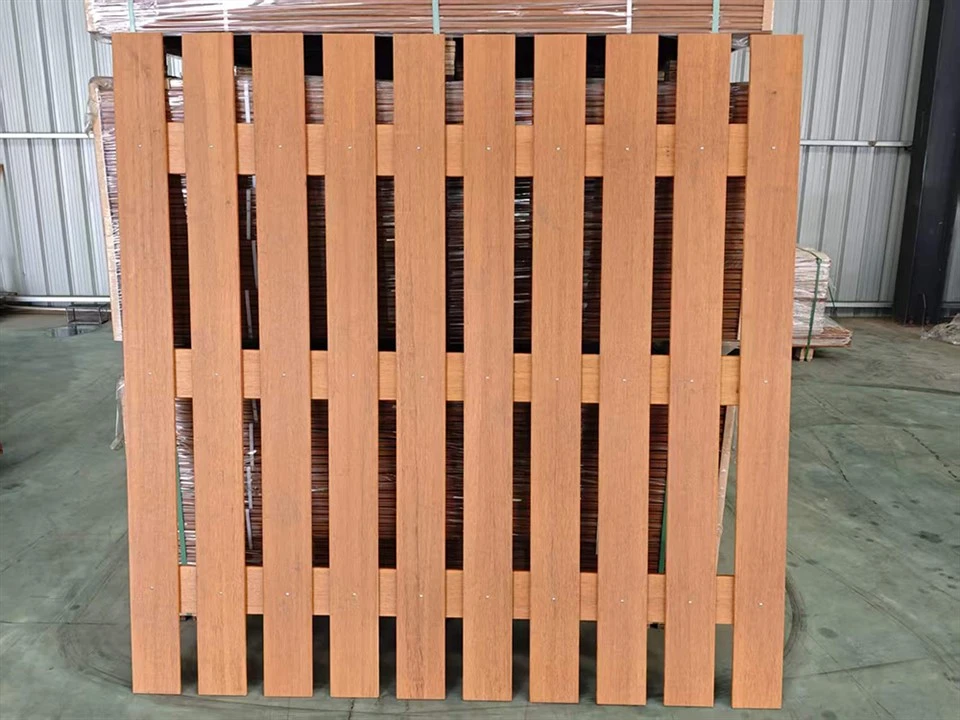
Large Bamboo Screening is ideal for creating a more substantial barrier or for large - scale landscaping projects. It can be used to screen off a pool area, a storage shed, or even a construction site. The large panels give a bold and dramatic look, and when placed strategically among trees or other large plants, it can blend into a large outdoor space.
Installation and Placement
Proper installation and placement of the heavy duty bamboo fencing are essential for it to blend with the surroundings.
Installation Angle
The angle at which the bamboo fencing is installed can affect its appearance. For a more natural look, you can install the fencing at a slight angle, mimicking the way natural plants grow. This can create a more organic and flowing feel, especially in a garden setting. In a more formal setting, a straight and vertical installation might be more appropriate.
Placement in Relation to Other Elements
- Distance from Vegetation: It's important to leave enough space between the bamboo fencing and the surrounding plants. This allows for proper air circulation and prevents the plants from growing into the fence, which could damage both the plants and the fence over time. A distance of at least a few inches to a foot is usually recommended.
- Alignment with Structures: If there are other structures in the area, such as a shed or a gazebo, aligning the bamboo fencing with them can create a more cohesive look. For example, if the shed has a certain orientation or angle, you can install the fence parallel or perpendicular to it.
Maintenance and Enhancement
Regular maintenance and enhancement of the heavy duty bamboo fencing can help it continue to blend with the surroundings over time.
Maintenance
- Cleaning: Periodically clean the bamboo fencing to remove dirt, dust, and any debris. You can use a mild soap and water solution and a soft brush or cloth. This not only keeps the fence looking clean but also helps prevent the growth of mold and mildew.
- Sealing and Treating: Depending on the climate and the type of bamboo, you may need to seal or treat the fencing to protect it from the elements. A clear sealant can enhance the natural color of the bamboo and provide a protective layer. In areas with high moisture, a mold - resistant treatment might be necessary.
Enhancement
- Adding Decorative Elements: You can add decorative elements to the bamboo fencing to make it more in tune with the surroundings. For example, you can attach small wind chimes, solar lights, or hanging planters. These elements can add a touch of personality and make the fence more interesting.
- Seasonal Changes: As the seasons change, you can adjust the appearance of the bamboo fencing to match. In the fall, you can add some dried leaves or small pumpkins to the base of the fence. In the winter, you can hang some evergreen branches or small ornaments.
Conclusion
Making heavy duty bamboo fencing blend with the surroundings is a combination of understanding the environment, choosing the right type of fencing, proper installation and placement, and regular maintenance and enhancement. As a heavy duty bamboo fencing supplier, I am here to help you select the best product for your specific needs and provide guidance on how to achieve a seamless integration. If you are interested in purchasing heavy duty bamboo fencing or have any questions about how it can fit into your project, please feel free to contact us for a detailed discussion and procurement negotiation.
References
- "Bamboo: The Green Revolution" by John Doe, published in 2020.
- "Landscape Design with Natural Materials" by Jane Smith, published in 2018.