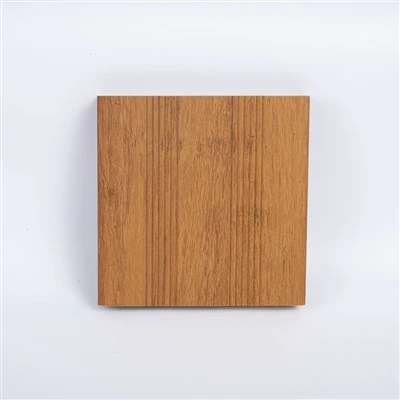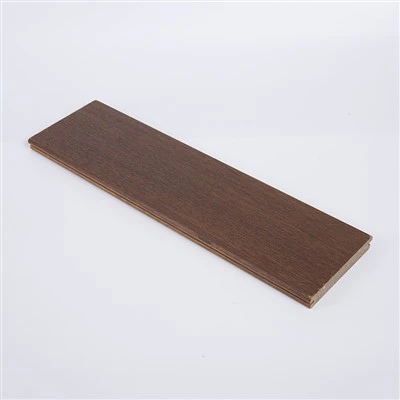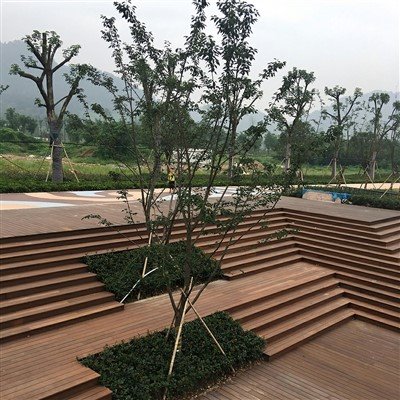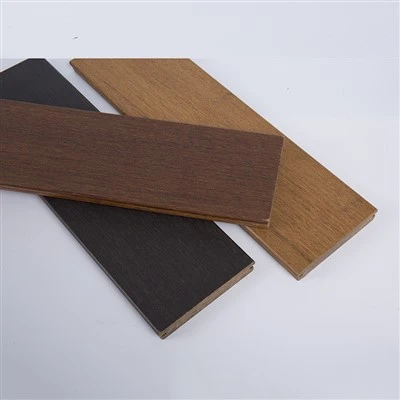

Bamboo flooring is a modern building and decorative material made from high-quality natural bamboo. It undergoes a rigorous manufacturing process involving over twenty steps-including the extraction of raw bamboo sap, high-temperature and high-pressure lamination, multiple coating layers, and final infrared drying. With its inherent natural advantages and superior performance characteristics, bamboo flooring has introduced a fresh, eco-friendly trend to the building materials market. It features the natural grain of bamboo, offering a fresh, elegant aesthetic that evokes a sense of returning to nature and refined sophistication. Bamboo flooring serves as a sustainable alternative to wood while retaining wood's classic appeal; the manufacturing process utilizes high-quality, national-standard adhesives to eliminate health risks associated with substances like formaldehyde. Furthermore, advanced processing technology-involving 26 distinct stages-endows the flooring with both the natural beauty of solid wood and the durability of ceramic tiles.
This material originated in China in the late 1980s. Following technological maturation in 1998, annual production surged from an initial 300,000 square meters to 30 million square meters by 2005. Domestic market expansion accelerated after 2005, with domestic sales eventually accounting for over 90% of the total. Fujian Province has actively promoted the industry through policies such as the "Notice on Seven Measures to Accelerate the Development of the Bamboo Industry," fostering industrial clusters like the National Yongan Forest-Bamboo Industry Demonstration Park, where bamboo flooring has become a key product. Hunan Taohuajiang Bamboo Materials Co., Ltd. independently developed a hot-press production method for flooring blanks; the resulting product boasts a load-bearing capacity exceeding 700 kilograms per square meter and remains resistant to cracking or warping even under conditions of high temperature and humidity.