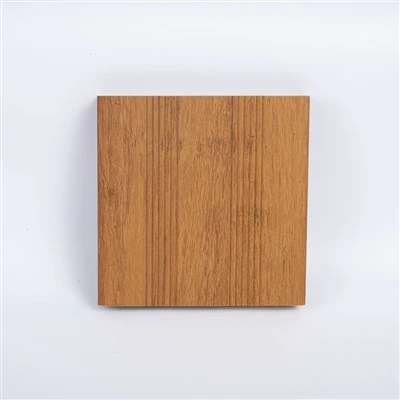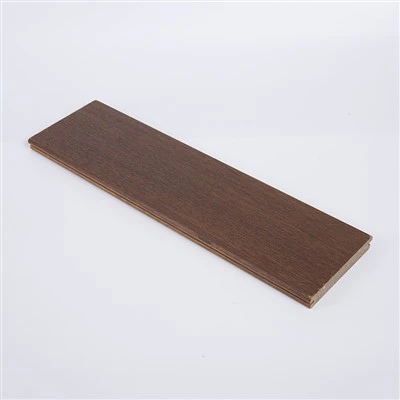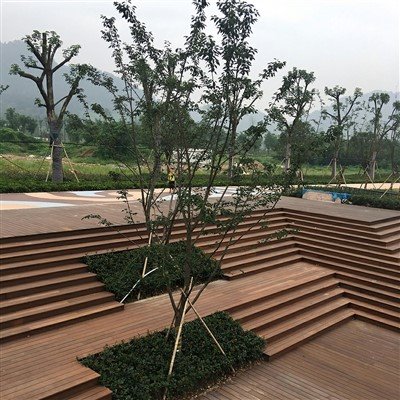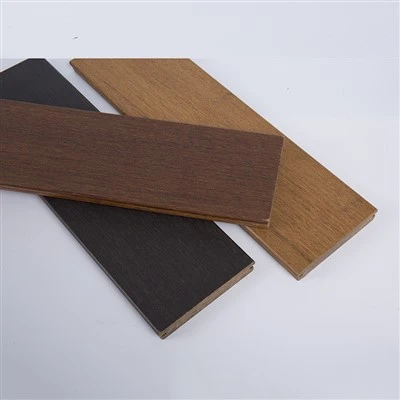

Based on surface structure, bamboo flooring can be categorized into three types: vertical-grain (side-pressed), flat-grain (flat-pressed), and strand-woven. In terms of processing methods, it is classified into natural-color and carbonized bamboo flooring. Natural-color flooring retains the bamboo's original hue, whereas the strips used for carbonized flooring undergo high-temperature, high-pressure carbonization, resulting in a deeper, uniform color.
Flooring plays a crucial role in home décor. With its serene, refined appearance and pleasant tactile feel, bamboo flooring is an excellent choice for the home, creating a fresh and elegant atmosphere. It offers good elasticity and stability, making it suitable for all ages. Its beautiful, natural, and delicate aesthetic turns home interiors into a visual delight. Produced through a multi-stage manufacturing process, bamboo flooring differs significantly from standard flooring-particularly in texture and appearance-offering numerous advantages, albeit at a slightly higher price point. Naturally, it also boasts the inherent benefit of staying warm in winter and cool in summer.