
Based on color, bamboo flooring on the market generally falls into two categories:
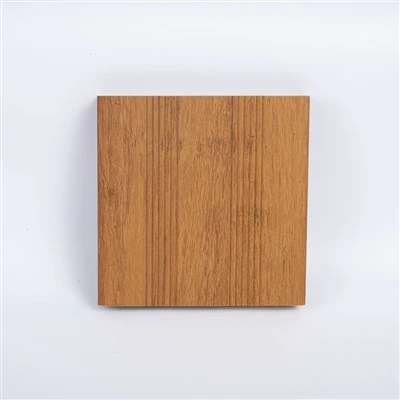
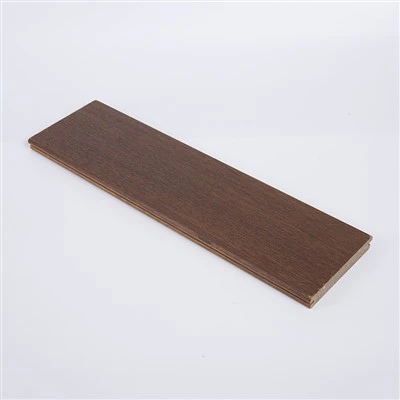
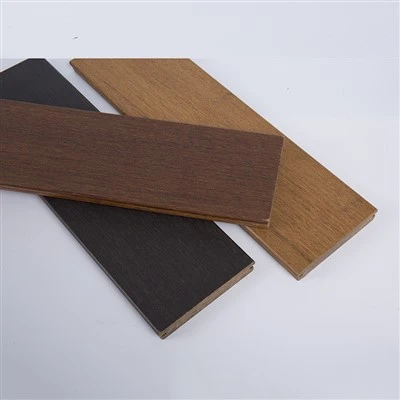
The first is natural-colored flooring. Bamboo flooring exhibits less color variation than wood flooring because the growth radius of bamboo is much smaller than that of timber; bamboo is less affected by sunlight and lacks the distinct "sunny side" versus "shady side" color differences found in wood. Consequently, flooring processed from fresh moso bamboo displays rich grain patterns and a uniform, consistent hue. Natural-colored flooring is further subdivided into "natural" (unaltered) and "carbonized" varieties: the natural style features a clear varnish finish that preserves the bamboo's original, bright, and crisp color, while the carbonized style-achieved through a heat-treatment process-resembles walnut wood, offering a rich, dignified tone that still reveals the underlying bamboo grain.
The second category consists of artificially stained or painted flooring; while this allows for a wide range of vibrant colors, the natural bamboo grain becomes less visible.